
CEROAVAONO
MOENIA
The Moenia is wall, watch, passage, signal, memory, and return.
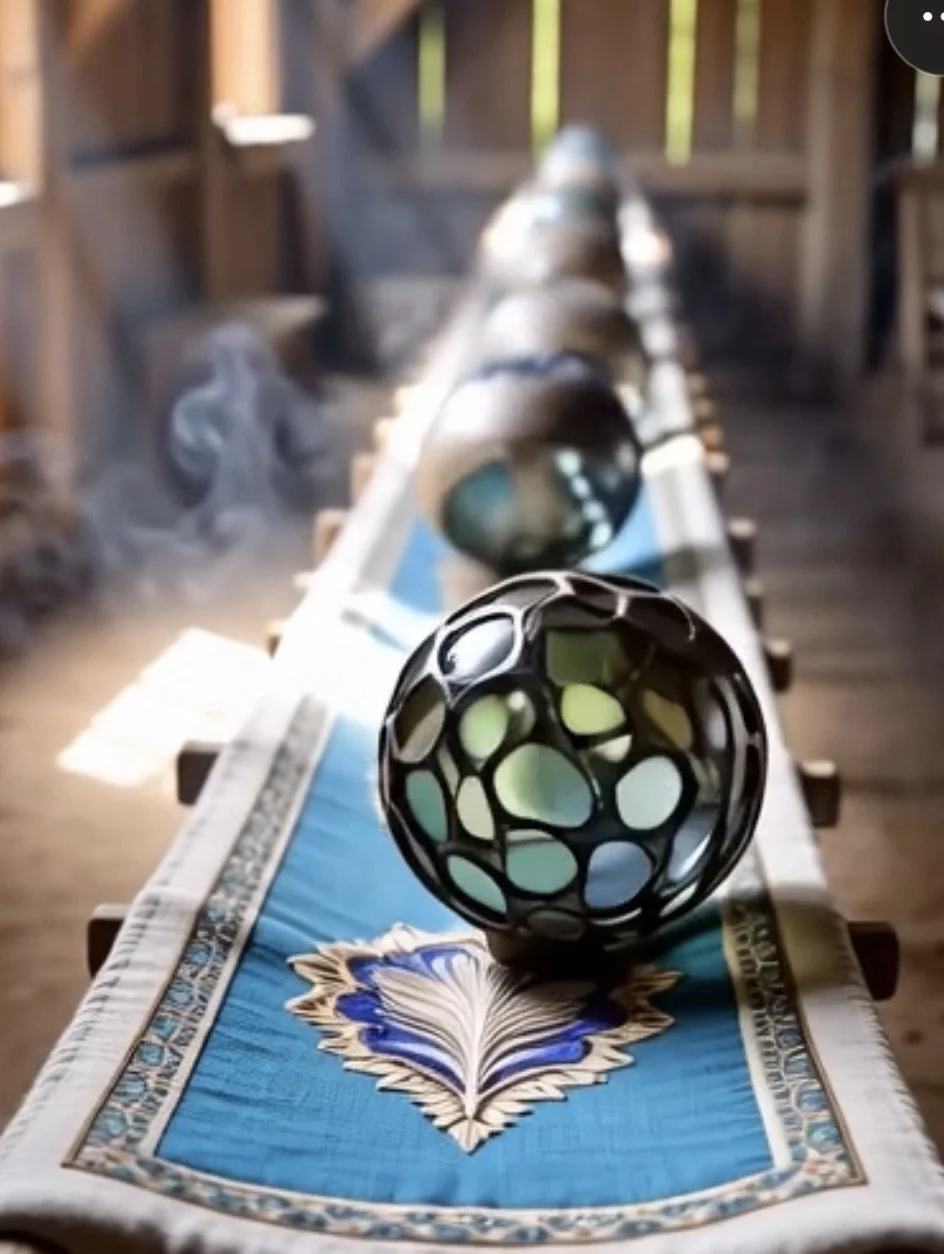
La Memoriosa is a Ceroavaono Eternal from Ugarit.
She serves as Moenia Steward; a part of her duty as Ceroavaono’s foreign ambassador to the Federation.
She resides at the Moenia. When messages and visitors come from abroad it’s most often from sea.
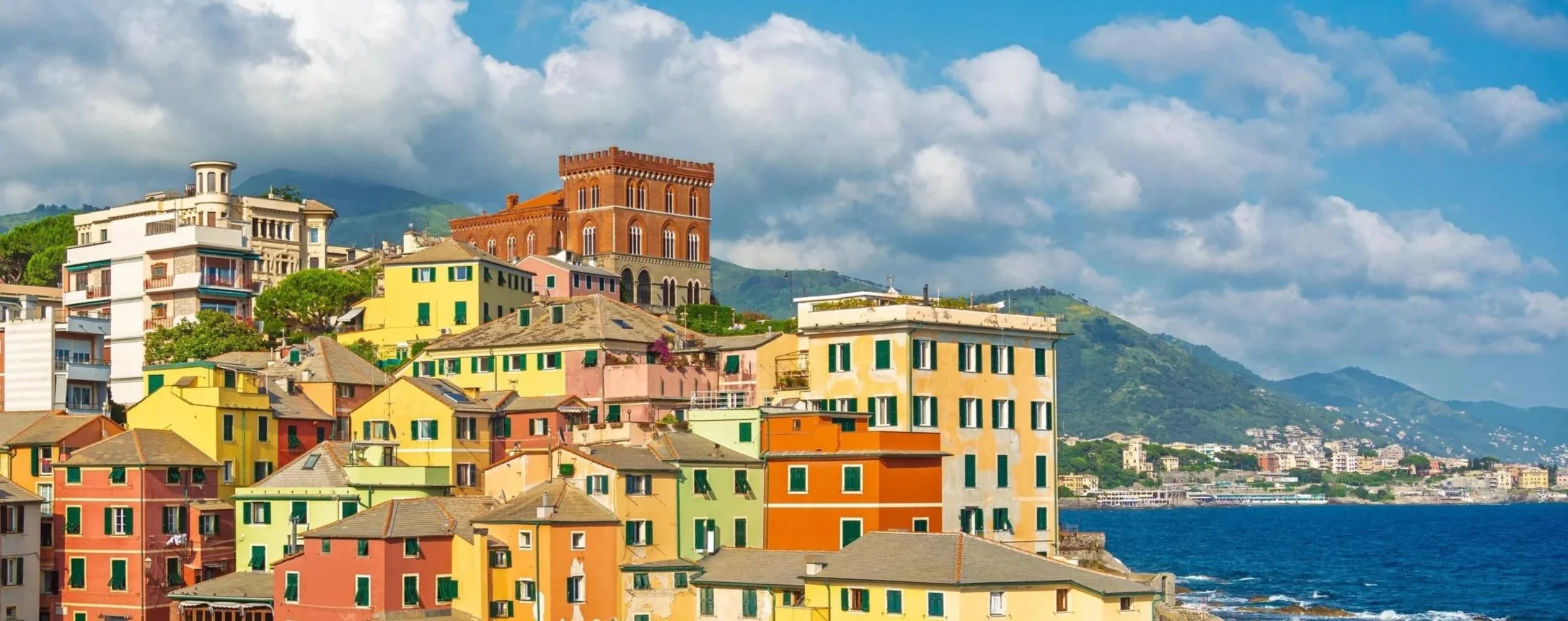
The Moenia separates Ceroavaono from the outside world without pretending that separation is absolute.
The Soglia is an intermediate location or approach threshold.
Ships approach. Messengers depart.
Porcelain Meridia originated as a buried Antirrhinum majus (snap-dragon) outide the Abbey in the garden of evacuation zone B. Hence her orange top.
Some think she is made of porcelain but she is really just a fairy under the garden, a sprite born outside the convent. She likes short swords and arrows and she has a stable of flying horses.
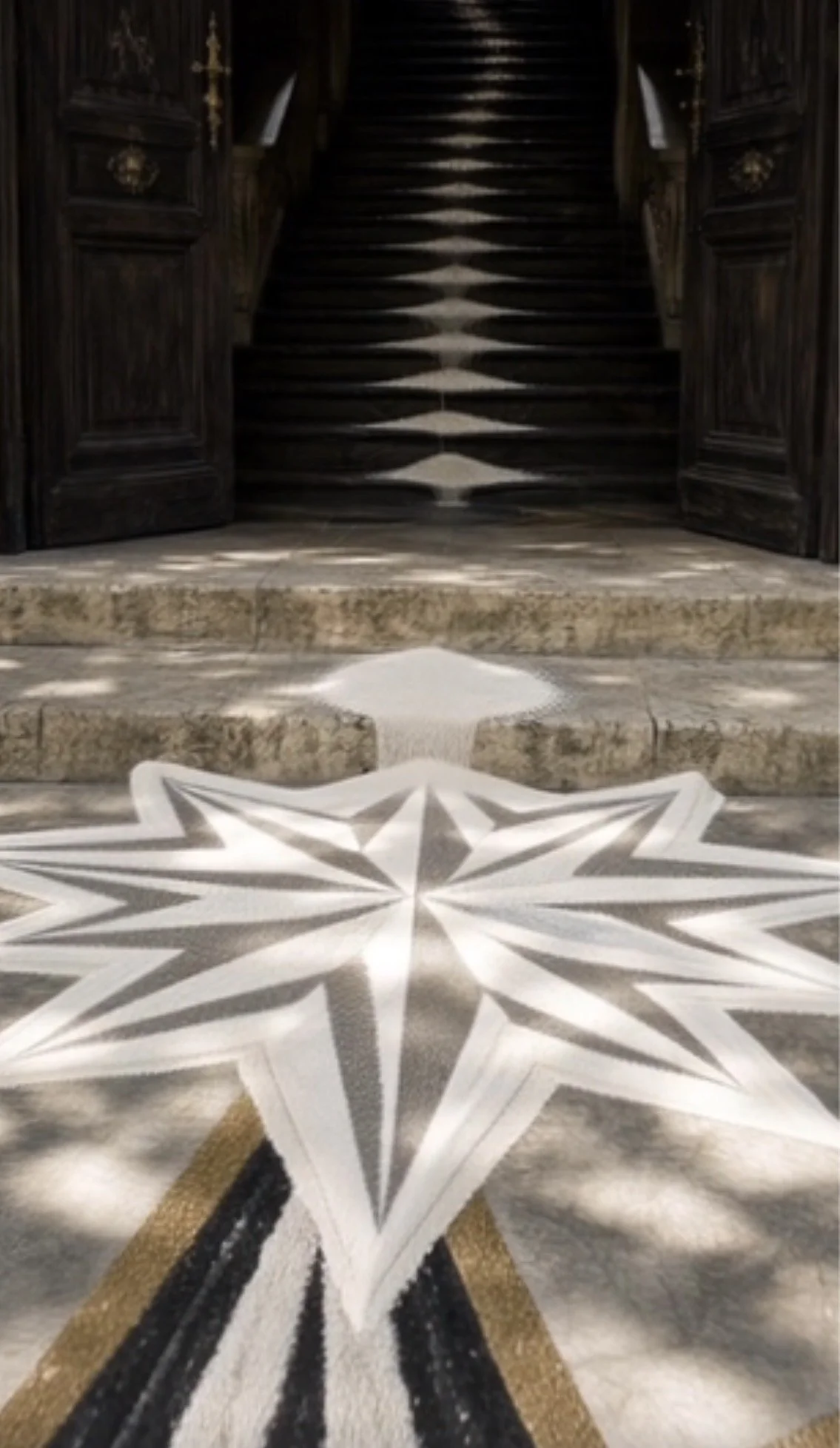
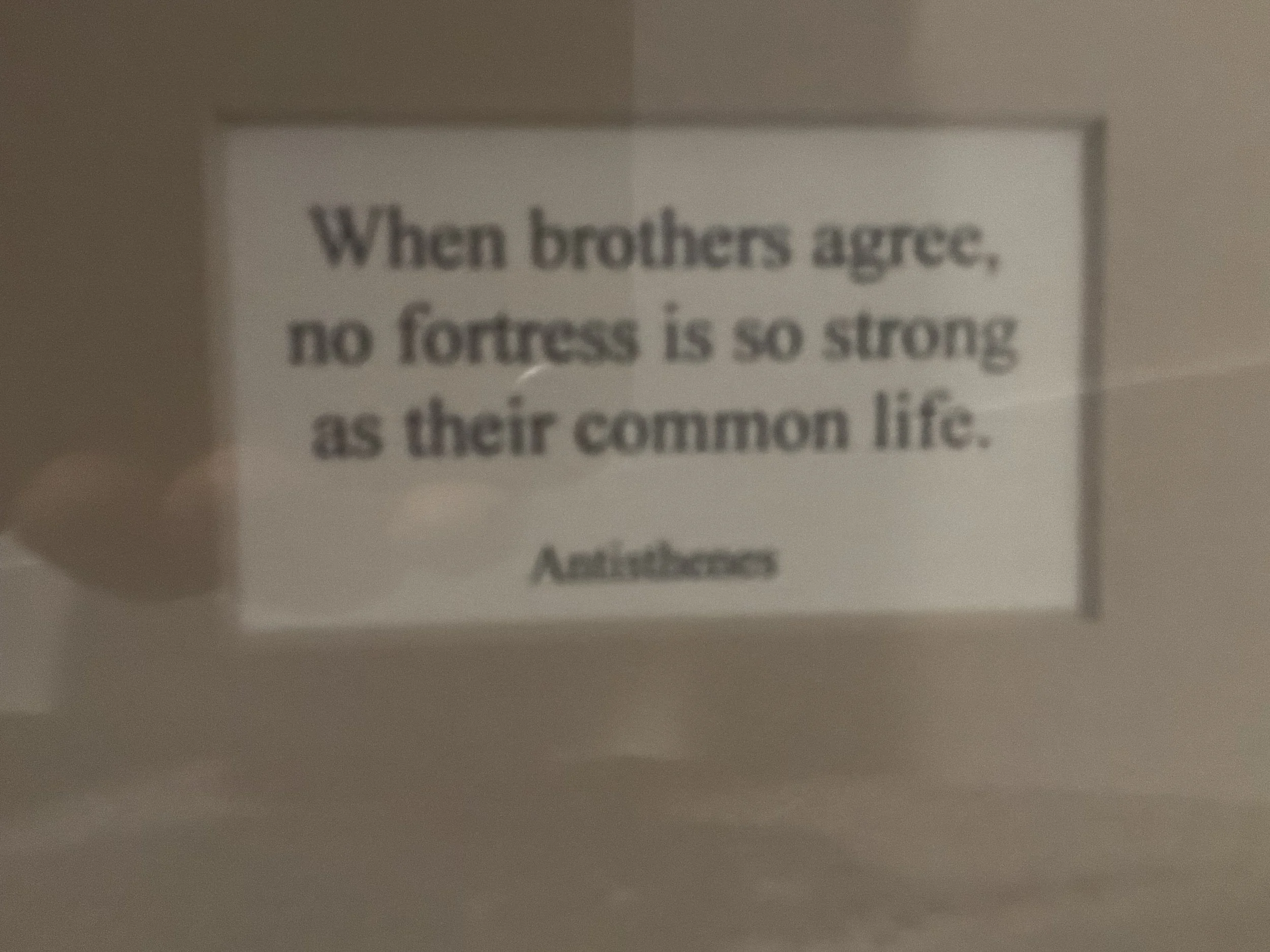
Travelers arrive with incomplete histories. Things once refused may return altered. Things once admitted may approach the boundary again.
The wall must therefore do more than exclude.
It must be and remain capable of recognition.
Passage does not erase the wall, and the existence of the wall does not determine every passage.
Moenia therefore preserves a world capable of remaining itself while still receiving, releasing, warning, recalling, and exchanging.
La Memoriosa also concerns herself with the Worldgate.
She doesn’t dwell there, but she always returns. In that way she is like the Coria.
The Coria is the recurrent Mediterranean wind of CEROAVAONO. It rises from the Ligurian Sea, climbs the cliffs of Lauria, and moves outward through the passages of the world. It does not remain. It always finds its way back to Lauria.
THE INHABITED WALL
A sterile boundary can apply a rule.
An inhabited boundary must also encounter circumstance.
An approaching vessel may be recognizable before its flag is certain.
A messenger may carry information unavailable when an earlier judgment was made.
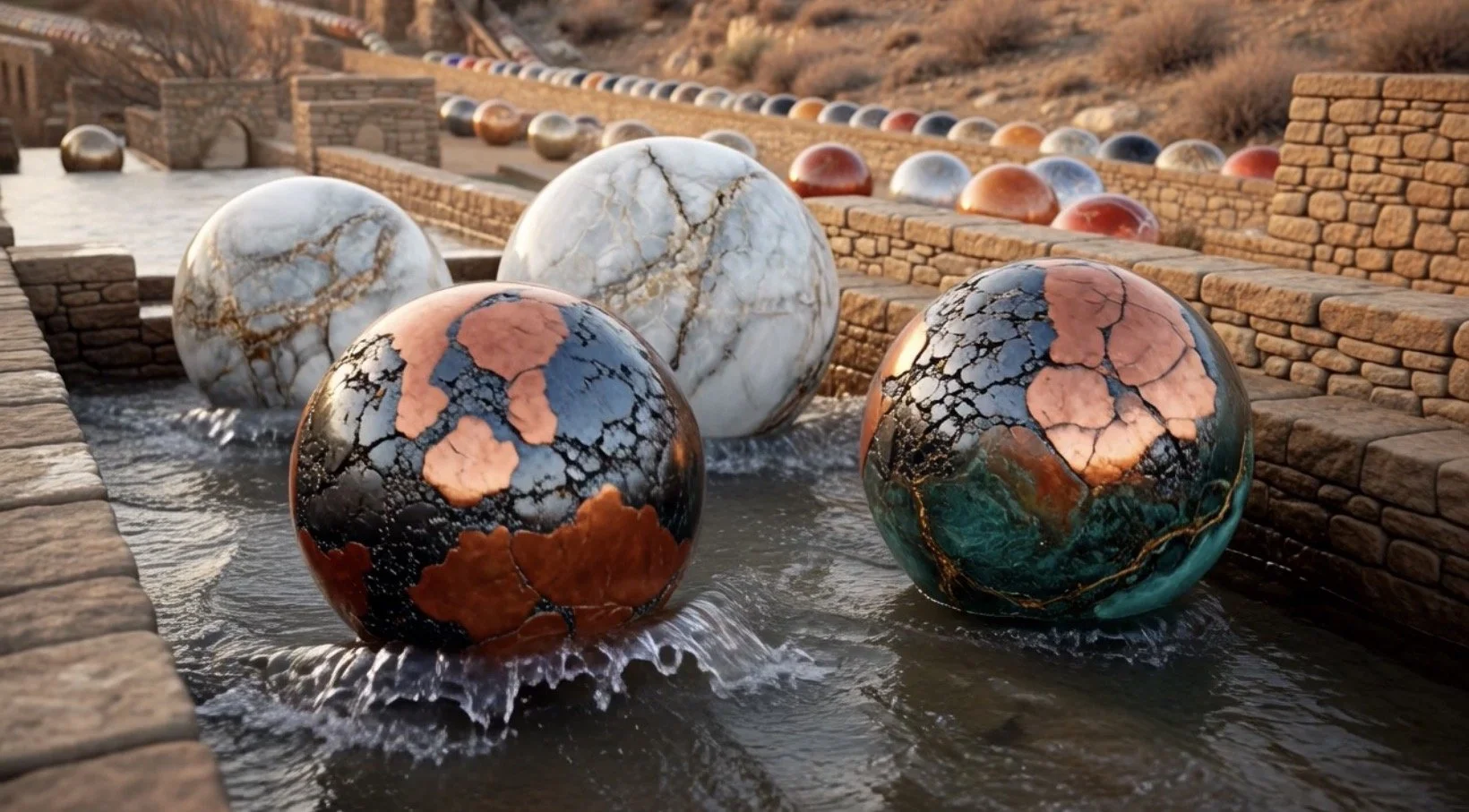
Sand may blow in fom the Coria: Ceroavaono’s recurrent wind
None of these conditions requires the boundary to abandon its constitution.
They require it to remain attentive to reality.
La Memoriosa
Continuity is not achieved by refusing change.
It is achieved by preserving sufficient relation through change.
La Memoriosa inhabits this problem.
She does not abolish the wall. She is its steward.
She remembers that continuity is achieved by preserving sufficient relation through change.
Where classification has failed, she preserves the possibility that the failure may later become visible. Where consequence has already occurred, she does not pretend that the prior state can be restored by forgetting it.
Her function is therefore neither acquittal nor accusation.
It is recoverable memory at the boundary.
A signal may be sent.
A record may be reopened.
A returning thing may be recognized as the same thing without requiring it to return unchanged.
Memory does not determine the disposition.
It prevents disposition from requiring amnesia.
TURNED CONSEQUENCE
CEROAVAONO holds that harm or error need not constitute a terminal state. Where repair remains possible, consequence may turn toward review, reparation, refinement, and renewed capacity.
Moenia gives that law a geography.
The boundary can refuse passage without declaring the approaching thing nonexistent.
It can preserve warning without converting warning into permanent identity.

It can remember an earlier disposition without requiring every later disposition to reproduce it.
A boundary that cannot distinguish memory from destiny eventually mistakes its own record for the world.
Moenia preserves the difference.
PASSAGE
The gate is therefore not an exception to the wall.
It is one of the wall's necessary functions.
Some things pass.
Some wait.
Some return.
Some signal across the distance before approaching.
Some remain outside.
The integrity of the boundary lies not in producing the same result every time, but in preserving the conditions under which each encounter can be recognized for what it is.
The wall holds.
The gate remains possible.
The signal may cross before either.
This is Ceroavaono Moenia.